
Food & Beverage Logistics
Food & beverage logistics.
Built around usable inventory.
Coordinate sealed shelf-stable products across receiving, inventory, retailer preparation, direct fulfillment and distribution—without losing the product and date context behind the order.
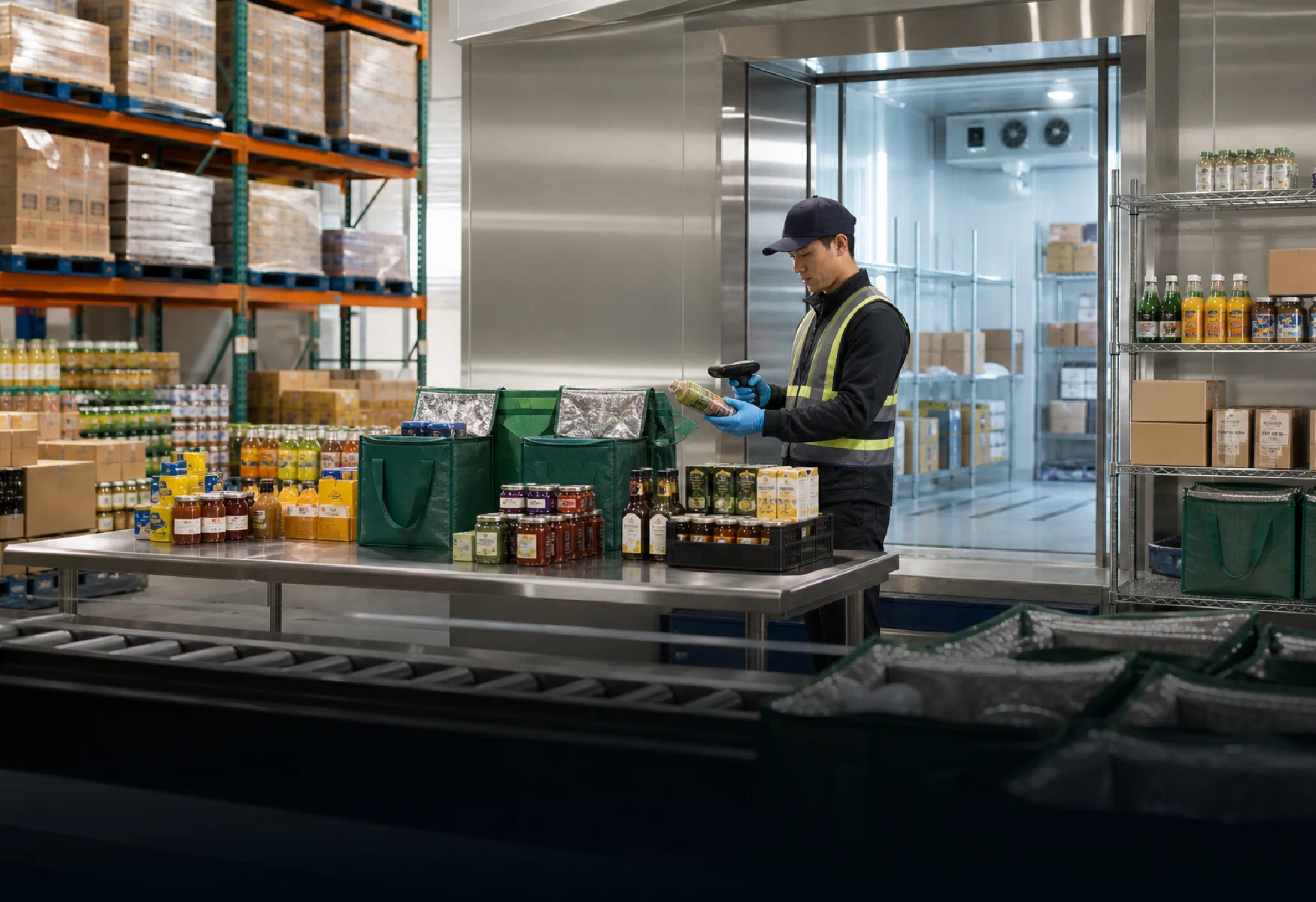
One product-aware flow
Dates, channels and shipment sizes connected.
100+
Carrier partners
05
Warehouse locations
250k+
Sq. ft. available
CA · US
North American reach
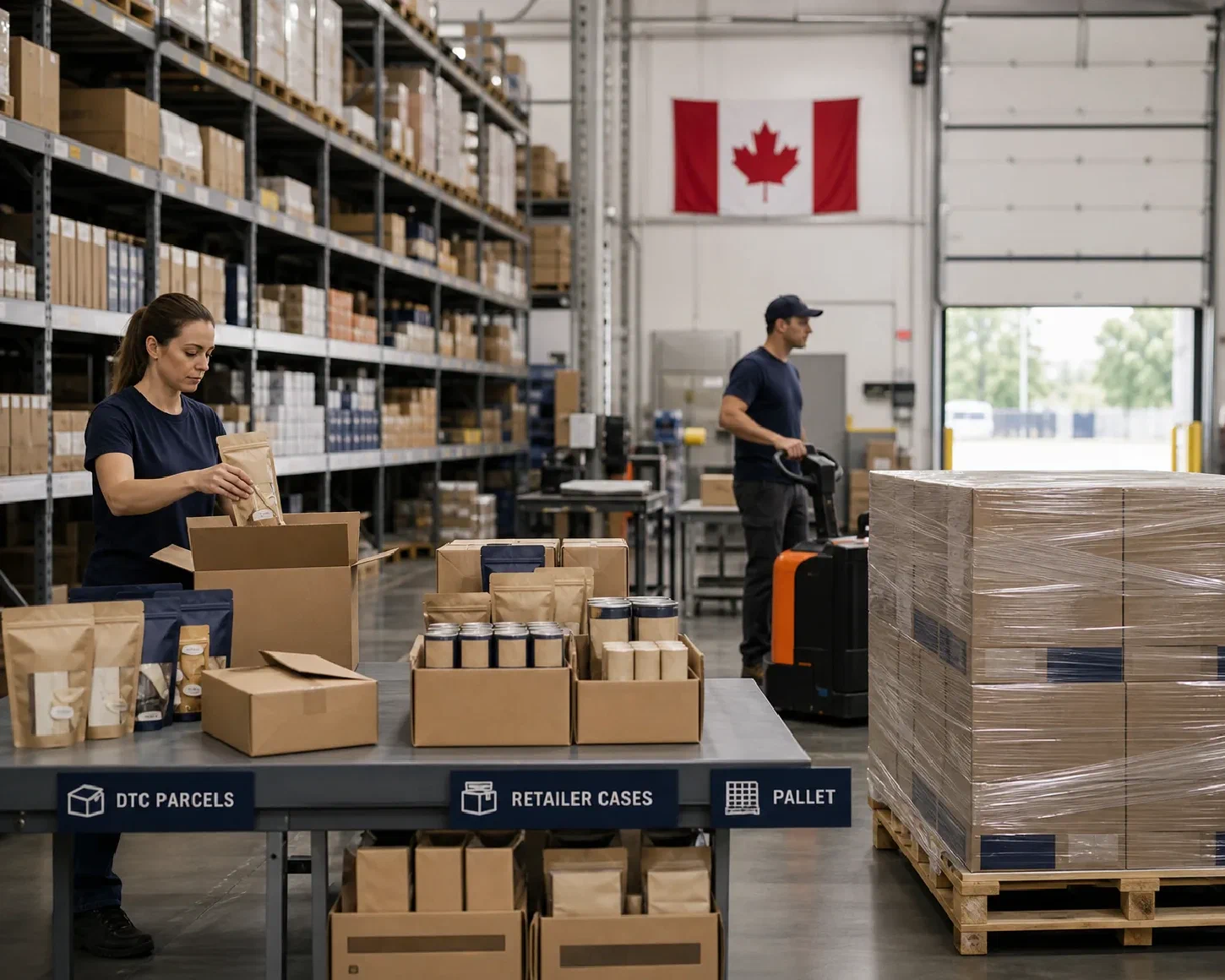
Services around the product profile
One inventory position. Different preparation and movement.
Start with the sealed product, applicable date information, channel requirements and handling unit. Then connect the services that fit the actual program.
Food & Beverage Logistics
Map the storage, preparation and movement around the product.
Warehousing
Position cases and pallets around the confirmed storage profile.
Inventory Management
Use supplied SKU, lot, date and status information where applicable.
Retail Fulfillment
Prepare cases and pallets to supplied retailer requirements.
E-Commerce Fulfillment
Pick and pack direct orders from coordinated inventory.
Distribution Services
Connect retail, wholesale and distributor destinations.
Small Parcel Shipping
Route direct orders and smaller cartons.
LTL Freight
Move partial-load pallet demand between facilities.
Full Truckload
Plan dedicated capacity for larger replenishment movements.
Kitting & Assembly
Build variety packs, samples and promotional configurations.
Lot, date & usable inventory
A full warehouse is not the same as available inventory.
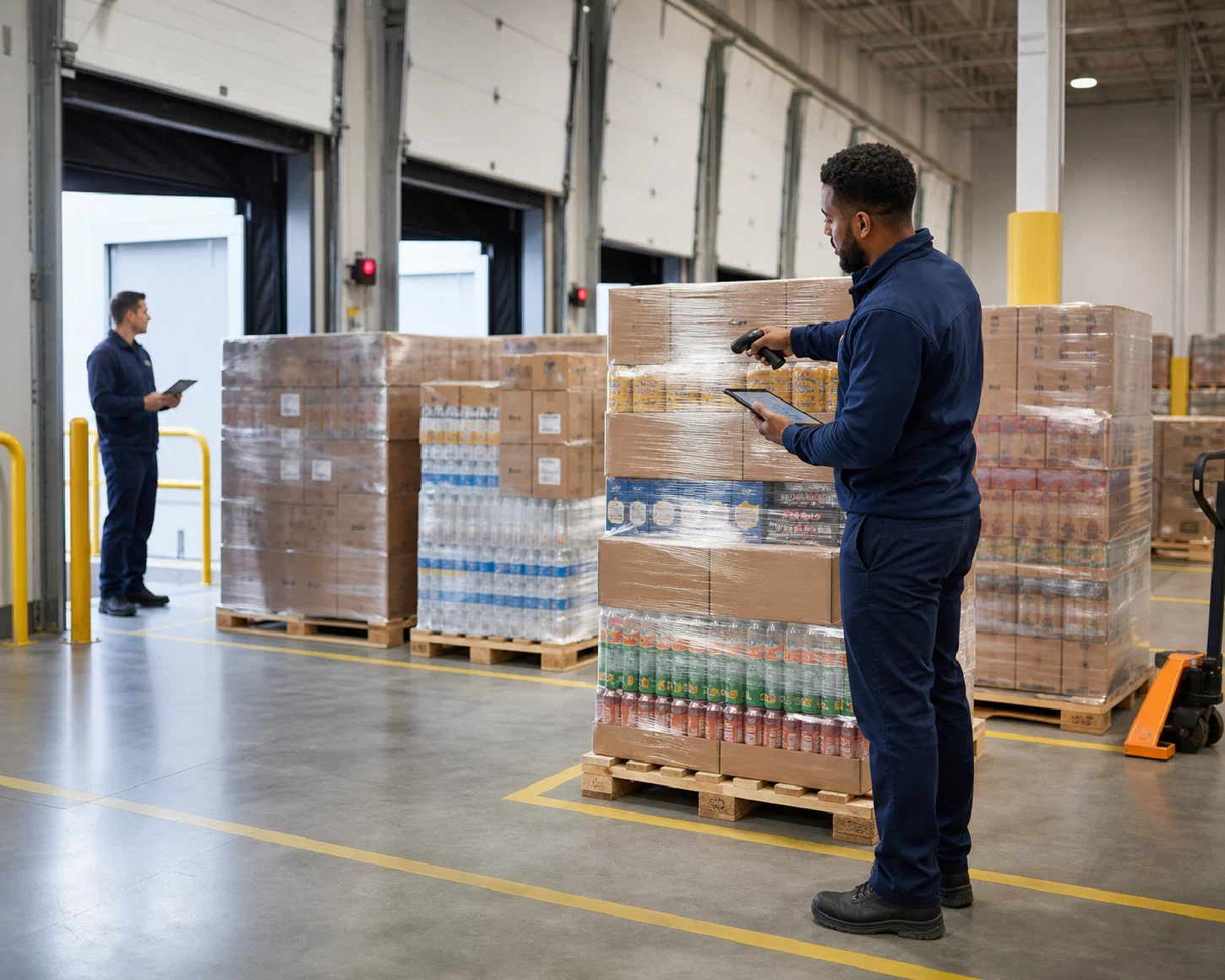
Where product programs use lot, batch or expiry information, connect those supplied fields to receiving, status and allocation. The goal is a usable inventory position—not simply a physical count.
Receive with context
Capture the agreed product, lot, date and inventory-status information.
Allocate by rule
Apply the agreed FIFO, FEFO, channel and availability logic where required.
Pick and record
Prepare the order, retain relevant movement context and surface exceptions for review.
ShipCarte does not determine product safety, expiry acceptability or regulatory status. Required data and decision rules are established with the responsible product owner.
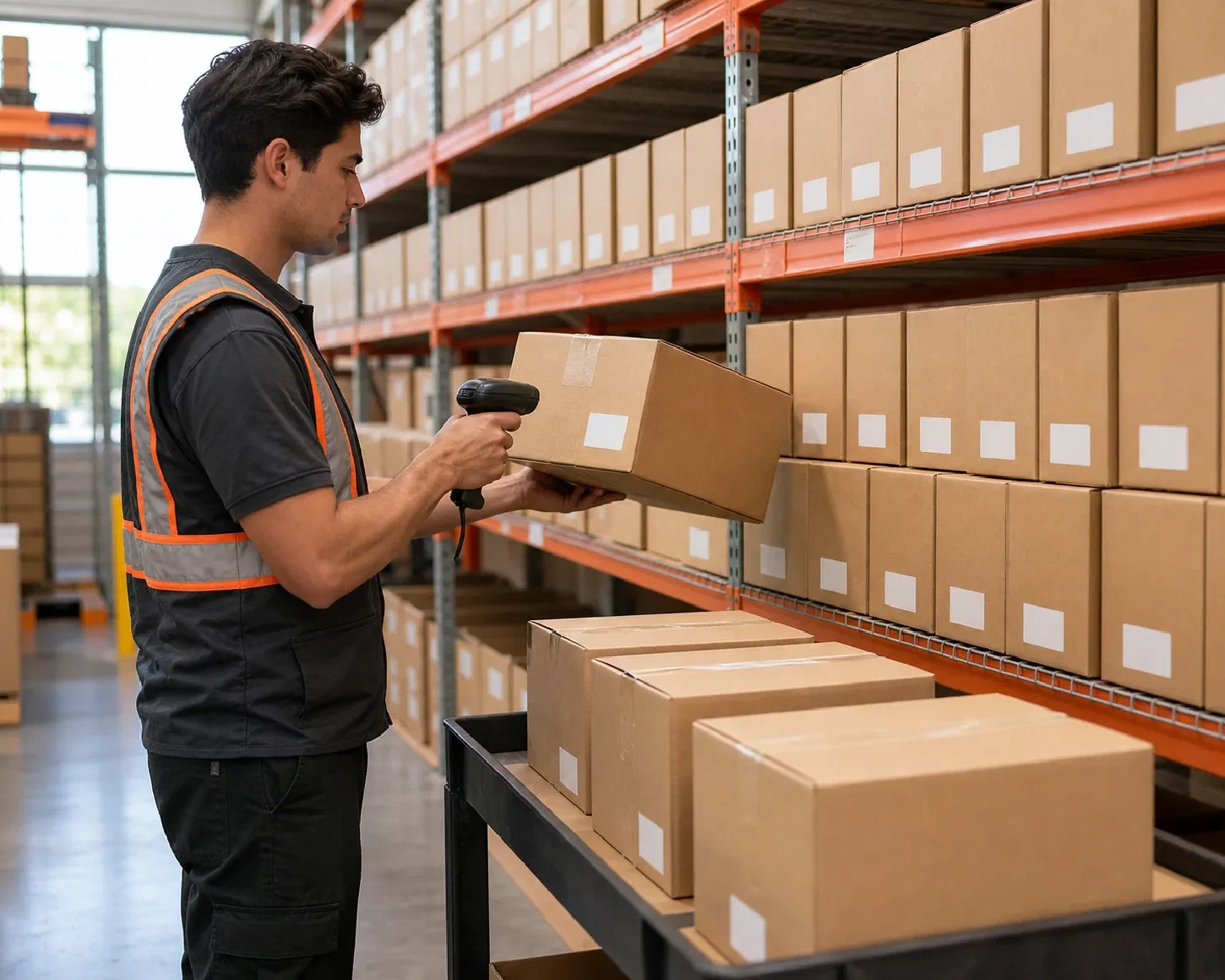
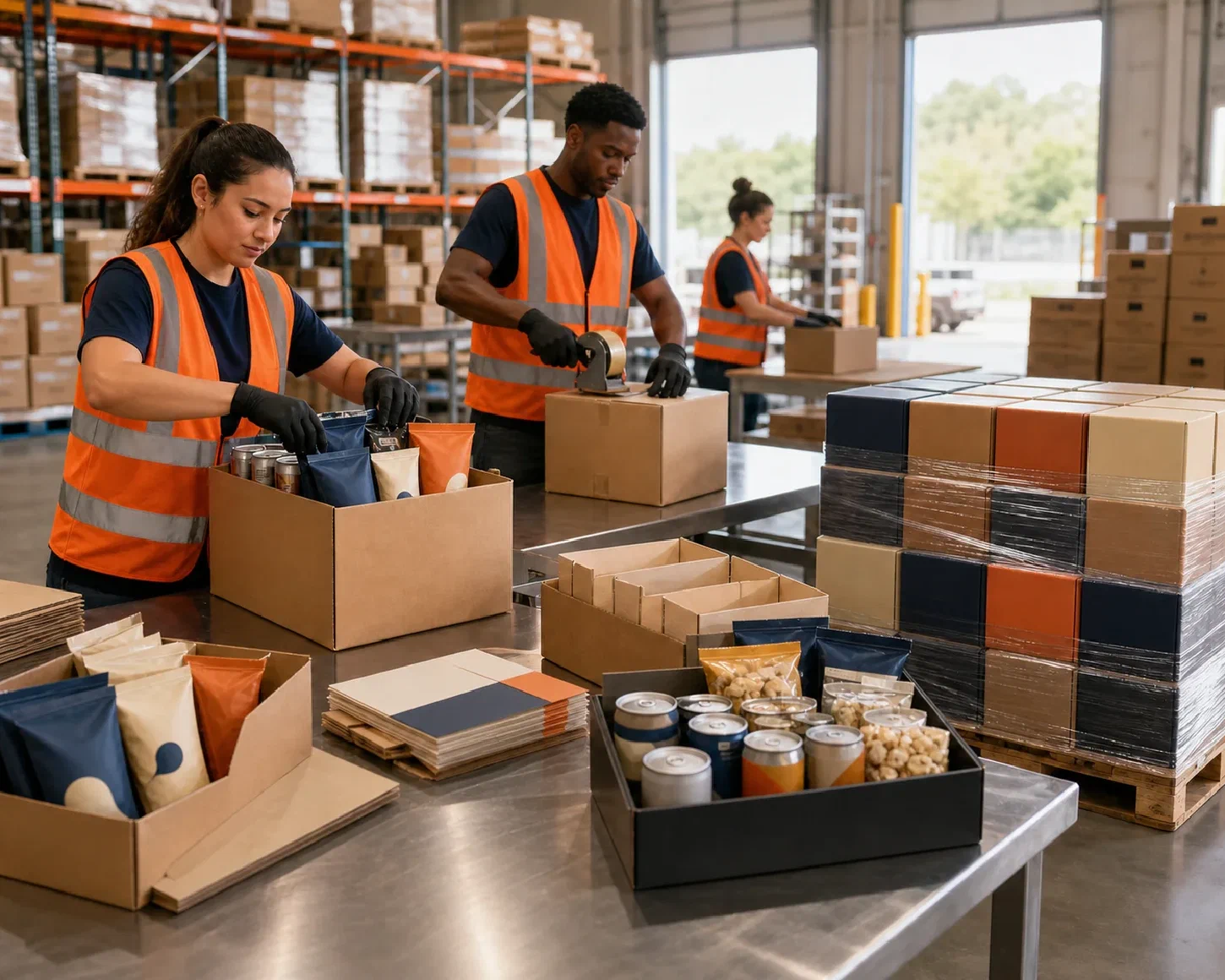
Channel-ready preparation
The product stays the same. The outbound format changes.
Retailers, wholesalers and direct customers create different units of work. Build the correct case, pallet, parcel or promotional configuration close to the same coordinated inventory.
Retail & wholesale
Prepare cases and pallets around supplied destination, routing and delivery instructions.
Direct orders
Pick sealed items into individual, multi-product or recurring parcel orders.
Variety & promotions
Assemble approved samples, multi-packs, inserts, seasonal bundles and promotional formats.
Distribution by order size
Match the movement to the order—not the other way around.
Coordinate direct parcels, retailer cartons, wholesale pallets, partial loads and larger replenishment movements around the destination, facility, timing and confirmed service options.
Promotions, seasonal products, subscription cycles and retailer launches add temporary pressure. Plan space, preparation, labour and transportation against the campaign before the volume arrives.
Parcel & carton
Direct orders and smaller case movements.
Pallet & LTL
Retail, distributor and wholesale orders using shared capacity.
Full truckload
Larger replenishment and launch movements needing dedicated capacity.
Where a product has documented temperature requirements, facility, range, packaging, monitoring and carrier-handoff fit are confirmed separately.
Build your product flow →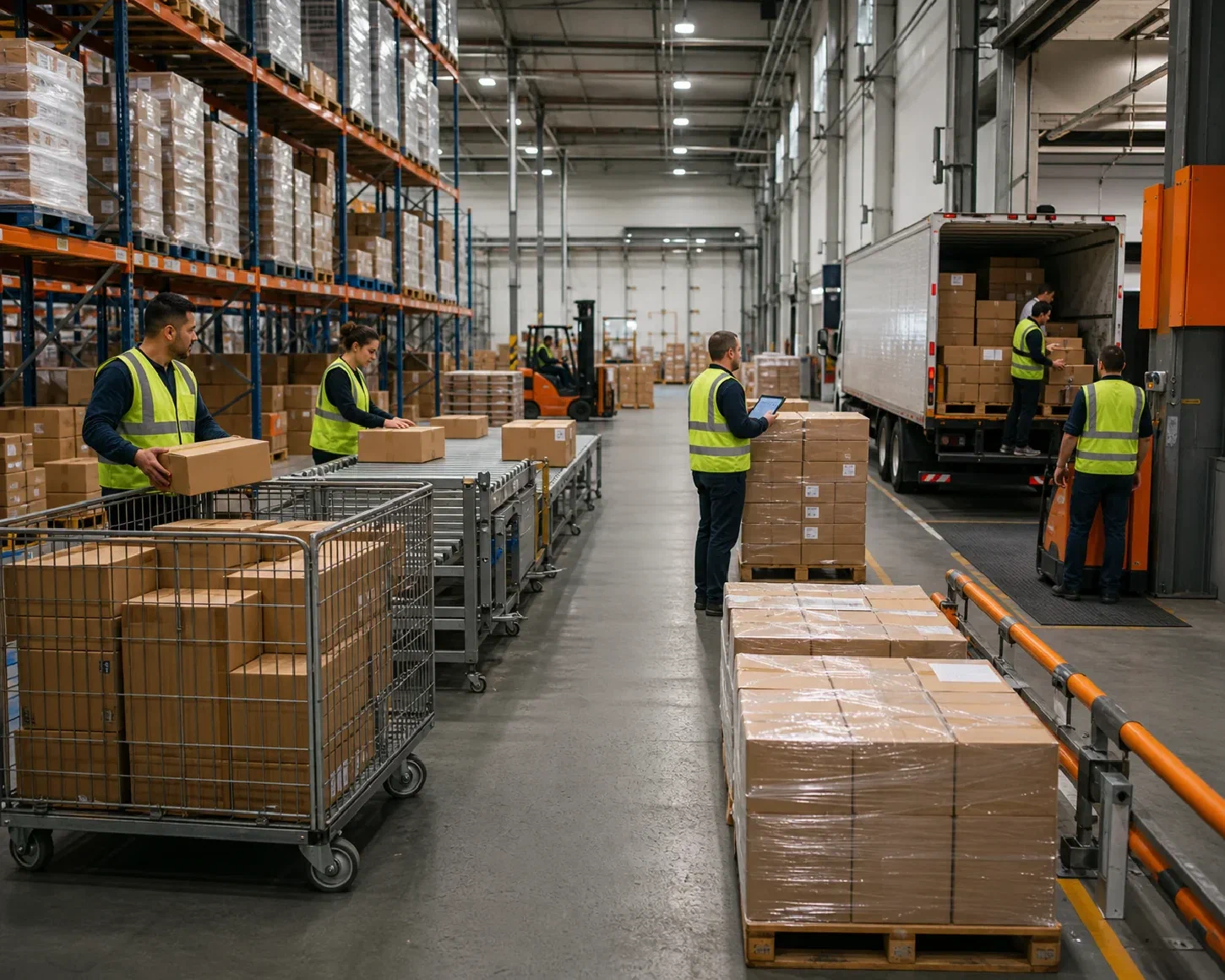
Returns, holds & disposition
Keep affected product separate until the next step is clear.
Returned or affected product should not automatically re-enter available inventory. Identify the product, retain applicable lot and date context, review condition and follow the responsible owner’s written disposition instructions.
Separate
Place the identified inventory outside the available fulfillment position.
Reconcile
Connect quantity, product, condition and applicable lot or date information.
Follow direction
Release, rework, return or use another disposition only under the owner’s approved instruction.
Food & beverage FAQ
Questions before inventory arrives.
Product profile, dates, channels and storage requirements determine the right operating model.