
The ShipCarte Blog
Ideas for moving.
Better.
Practical perspectives on shipping, ecommerce, fulfillment, warehousing and the decisions behind better logistics operations.
Latest from ShipCarte
Practical thinking for the work behind every shipment.
Explore clear explanations, operating ideas and useful context for teams navigating shipping, fulfillment, ecommerce and supply-chain growth.

Shipping Vitamins and Supplements for eCommerce: A Complete Guide
The eCommerce market for vitamins and supplements is booming, with health-conscious consumers increasingly turning to online retailers to purchase their products. However, shipping vitamins and supplements…

Best Inventory Management Software
Choosing the right inventory management software is crucial for the success of your eCommerce business. The right system can streamline operations, reduce errors, and help you keep up with demand. But with…

Understanding the Putaway Process in a Warehouse
Efficient warehouse management is essential for smooth logistics operations, and a key element of this process is “putaway.” Understanding the putaway process can help improve organization, maximize space,…
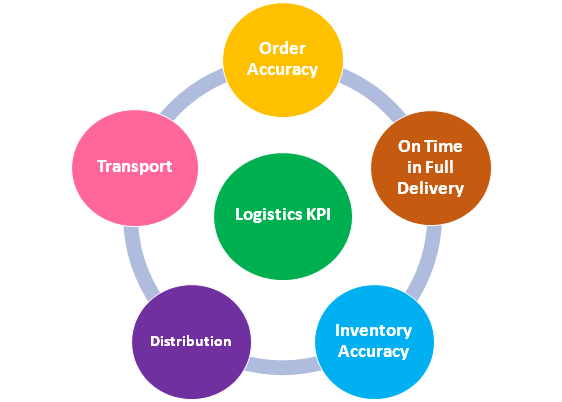
Top 20 Logistics KPIs and Metrics for E-commerce Success
Effective logistics management is critical for the success of any e-commerce business. By tracking the right key performance indicators (KPIs) and metrics, you can gain valuable insights into your…

Best Easyship Alternatives for Your E-commerce Business
Finding the right shipping solution is crucial for the success of your e-commerce business. While Easyship offers a range of features for international shipping, it may not be the perfect fit for everyone.…
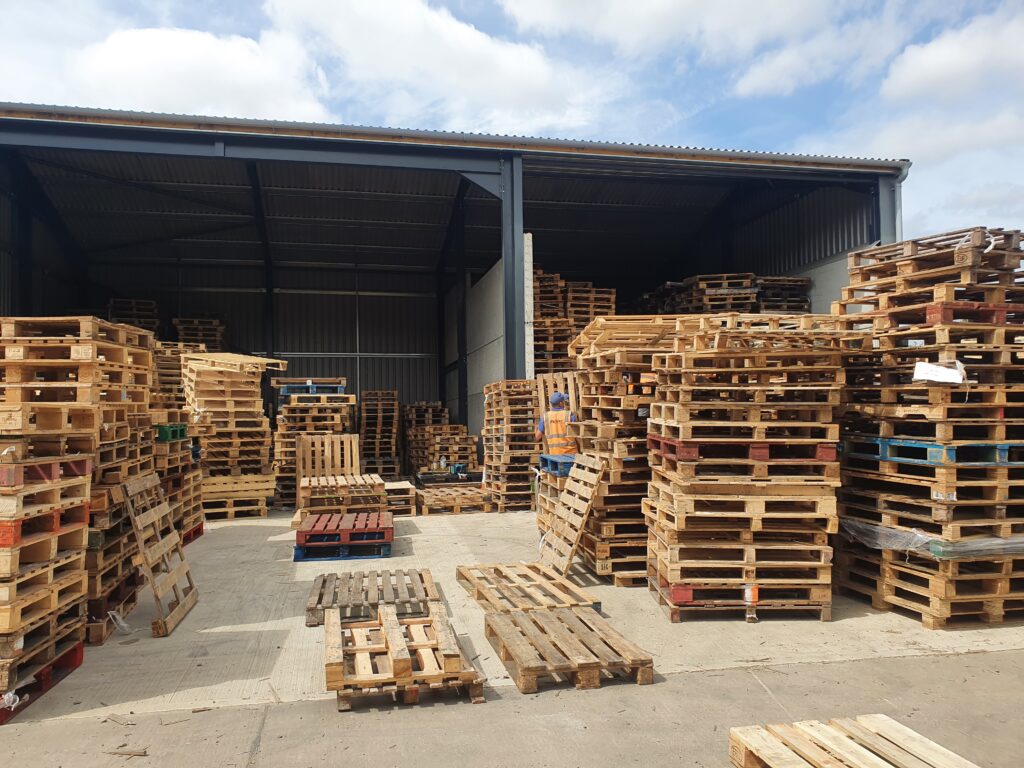
Understanding Pallet In, Pallet Out at ShipCarte
Efficient warehousing and logistics operations are critical for businesses handling large volumes of goods. At ShipCarte, we offer comprehensive Pallet In, Pallet Out services to streamline your inventory…

The Difference Between SKU and UPC Numbers and How to Create Each One
In the world of retail and inventory management, understanding the difference between SKU and UPC numbers is essential. These codes help businesses track products, manage inventory, and streamline the…
How to Sell on Etsy in Canada
Selling on Etsy Canada is a fantastic opportunity for artisans, crafters, and vintage sellers to reach a broad audience that appreciates unique and handmade products. With a growing market and a supportive…

How to Use Amazon’s FBA Calculator
Selling on Amazon can be highly profitable, but understanding your costs and potential profits is essential. Amazon’s FBA (Fulfillment by Amazon) Calculator is a valuable tool that helps sellers estimate…

What Is Freight Insurance in Shipping and What Does It Cover?
When it comes to shipping goods, protecting your investment is crucial. This is where freight insurance comes in. But what exactly is freight insurance, and what does it cover? What is Freight Insurance?…

What Does DAP Mean?
In the world of international shipping and logistics, understanding various Incoterms is essential for smooth and successful transactions. One important term to know is DAP, which stands for Delivered at…

What Does DDP Mean?
In international shipping, understanding various terms is key to ensuring smooth and efficient transactions. One such crucial term is DDP, which stands for Delivered Duty Paid. But what exactly does DDP…

What Does FOB Mean?
In the world of shipping and logistics, understanding industry terms is crucial for smooth operations and clear communication. One such term is FOB, which stands for Free on Board. But what exactly does FOB…

The Ultimate Guide to Flash Freezing Services: What They Are and How They Benefit Your Business
In today’s fast-paced world, the ability to preserve food, ingredients, and other perishable items at their peak freshness is more important than ever. While traditional freezing methods have been around…
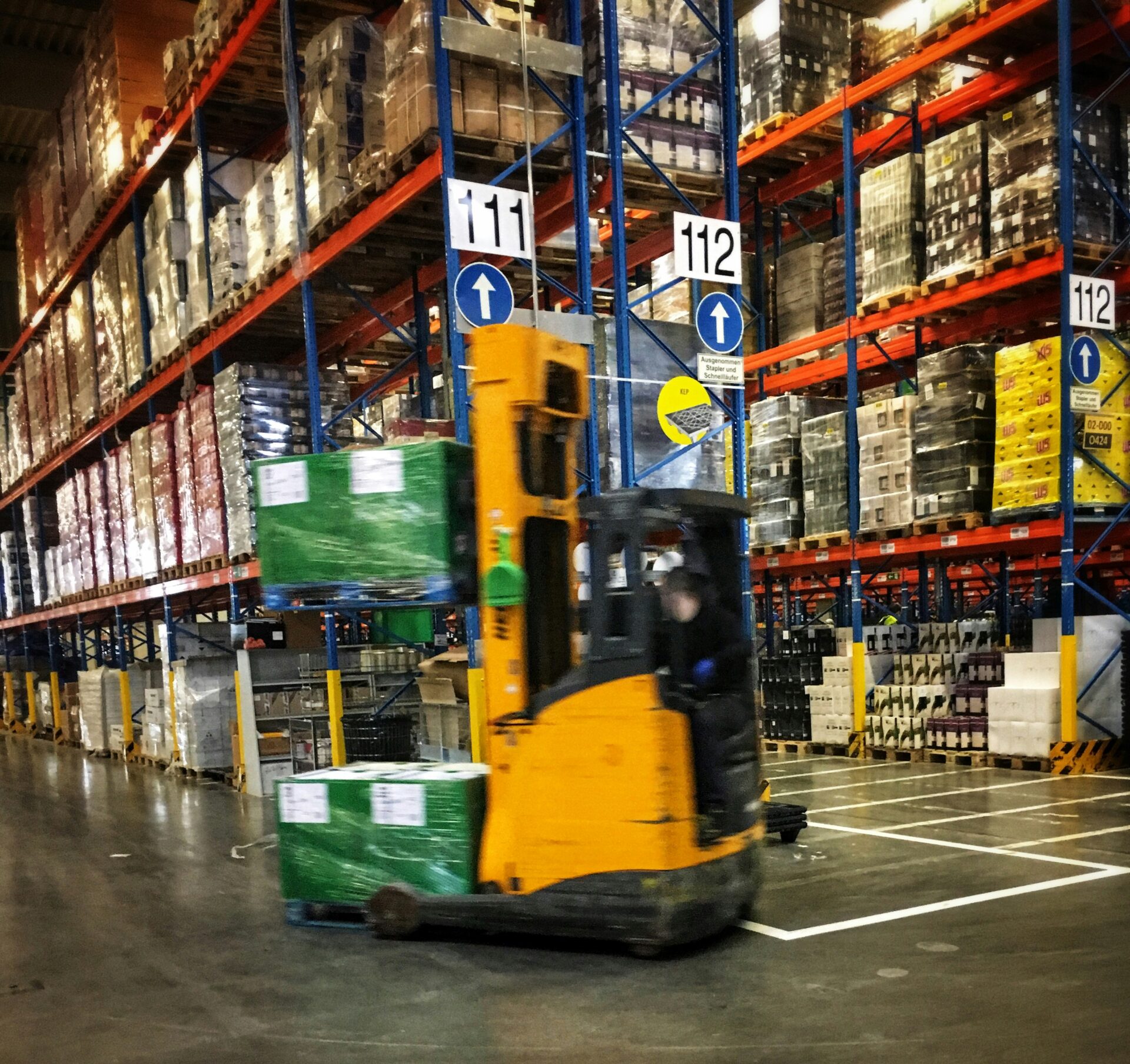
What Does LiFo Mean & How Does it Work?
Understanding LIFO (Last-In, First-Out) What is LIFO? LIFO, or Last-In, First-Out, is an inventory management method where the most recently acquired items are sold or used first. This approach is less…