
Food & beverage logistics
Food & beverage logistics.
Built around usable inventory.
Connect lot and date visibility, shelf-life-aware allocation, channel preparation and transportation around the way each product needs to move.
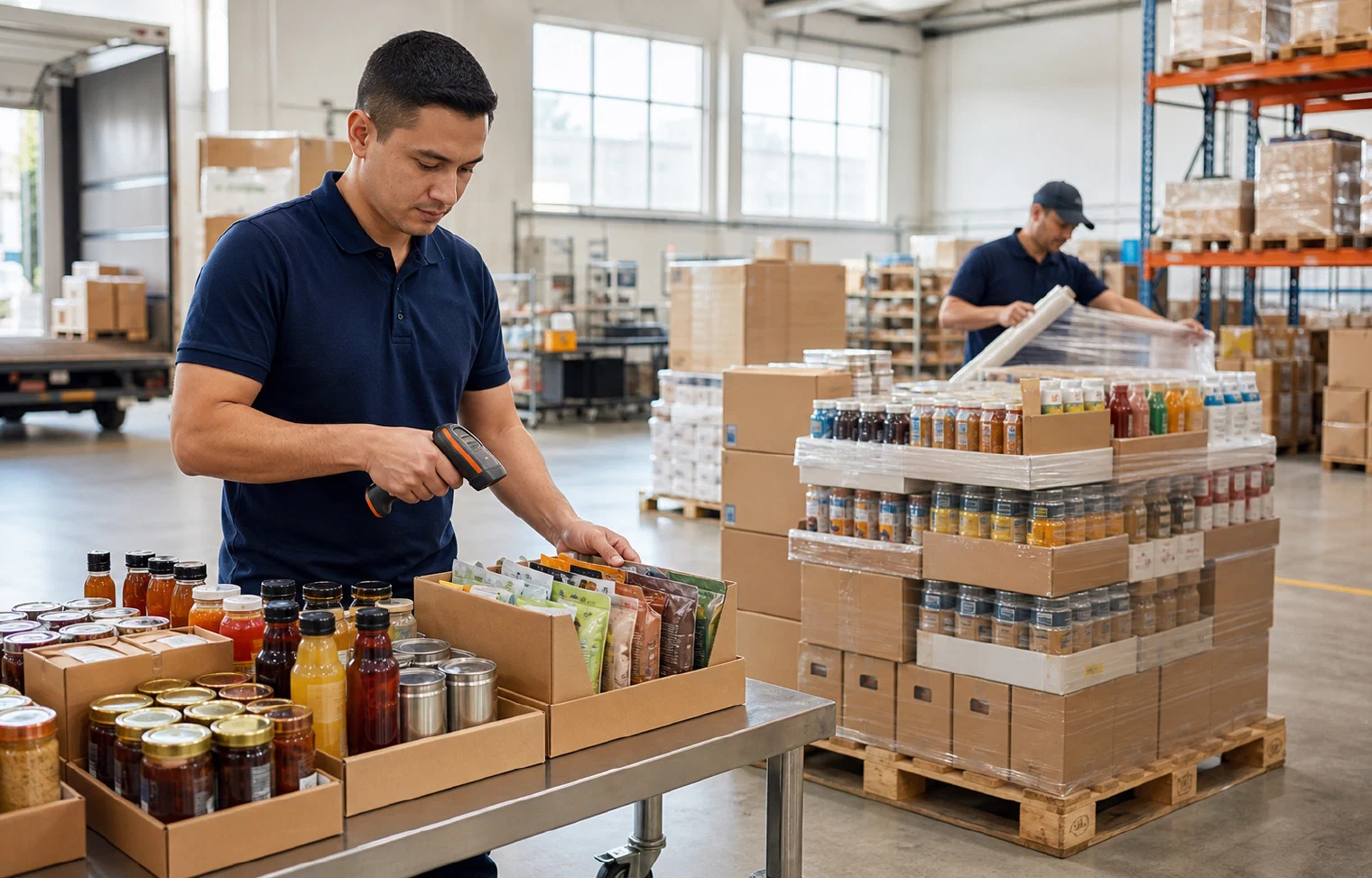
Receive · Rotate · Prepare · Ship · Trace
Every lot stays connected to the movement.
Availability needs context
A full warehouse is not the same as available inventory.
A case can be physically present and still be the wrong lot, status, date or configuration for the order. Food and beverage logistics keeps those details connected to allocation, preparation and distribution.
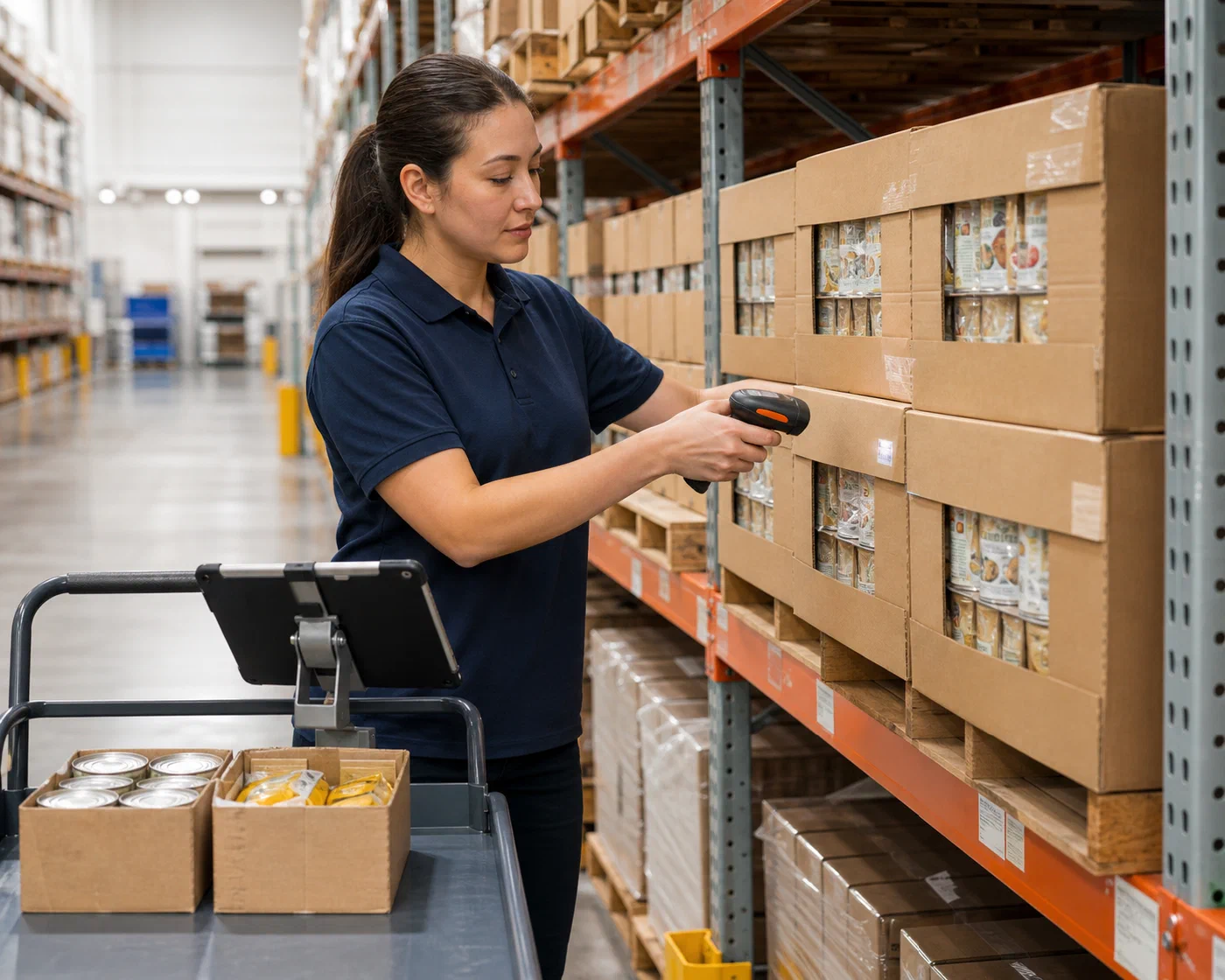
Shelf-life allocation
Select stock for where it is going—not only when it arrived.
Allocation can consider release status, applicable lot and date attributes, travel time, receiving lead time and the customer’s remaining-life expectation before a case enters the order.
FIFO, FEFO or another agreed rotation rule can be applied consistently, while inventory that cannot meet the destination requirement follows a visible exception path.
One connected product flow
Preserve identity from receiving to dispatch.
The workflow keeps the physical case aligned with its status, location, lot, date and destination as it moves through the operation.
Receive
Check the product, quantity and arrival condition before putaway.
Identity & conditionRecord
Capture the applicable lot and date attributes for the inventory.
Lot & datesStore
Keep physical position and order eligibility current.
Location & statusAllocate
Select stock using the approved rotation and destination requirements.
Usable lifePrepare
Build the case, parcel or pallet for the way the customer receives.
Channel rulesShip
Connect the selected lot and handling unit to the outbound record.
Traceable movementChannel-ready preparation
One inventory position. Different receiving expectations.
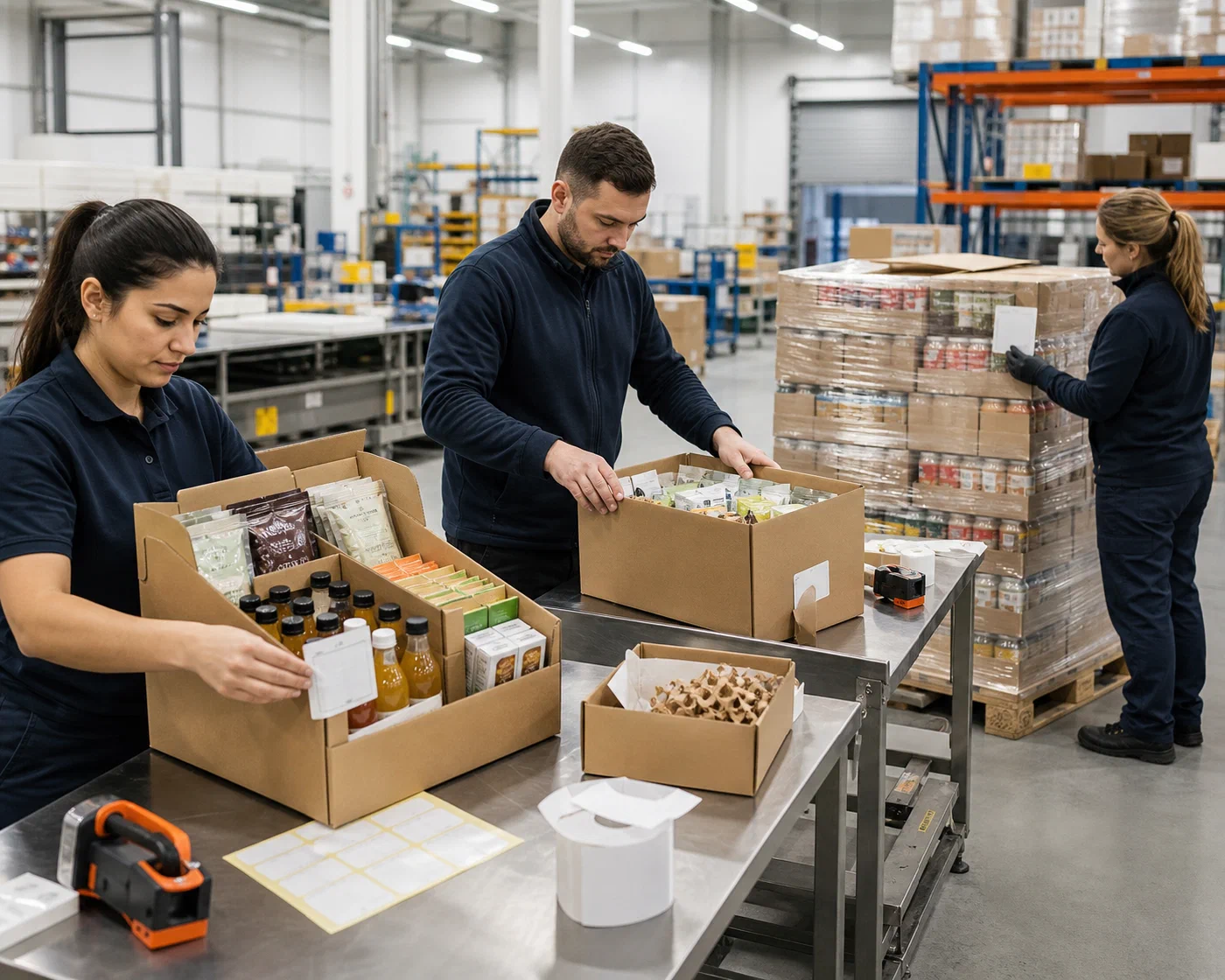
Retail, wholesale and direct orders can draw from the same current inventory while using different case quantities, labels, packing formats, appointment details and transport modes.
Retail & wholesale
Prepare cases and pallets around the destination’s receiving rules.
Direct orders
Pick and pack individual products for the customer order.
Case & pallet work
Build stable handling units with clear product identity.
Transport fit
Match parcel or freight movement to order size and timing.
Movement records
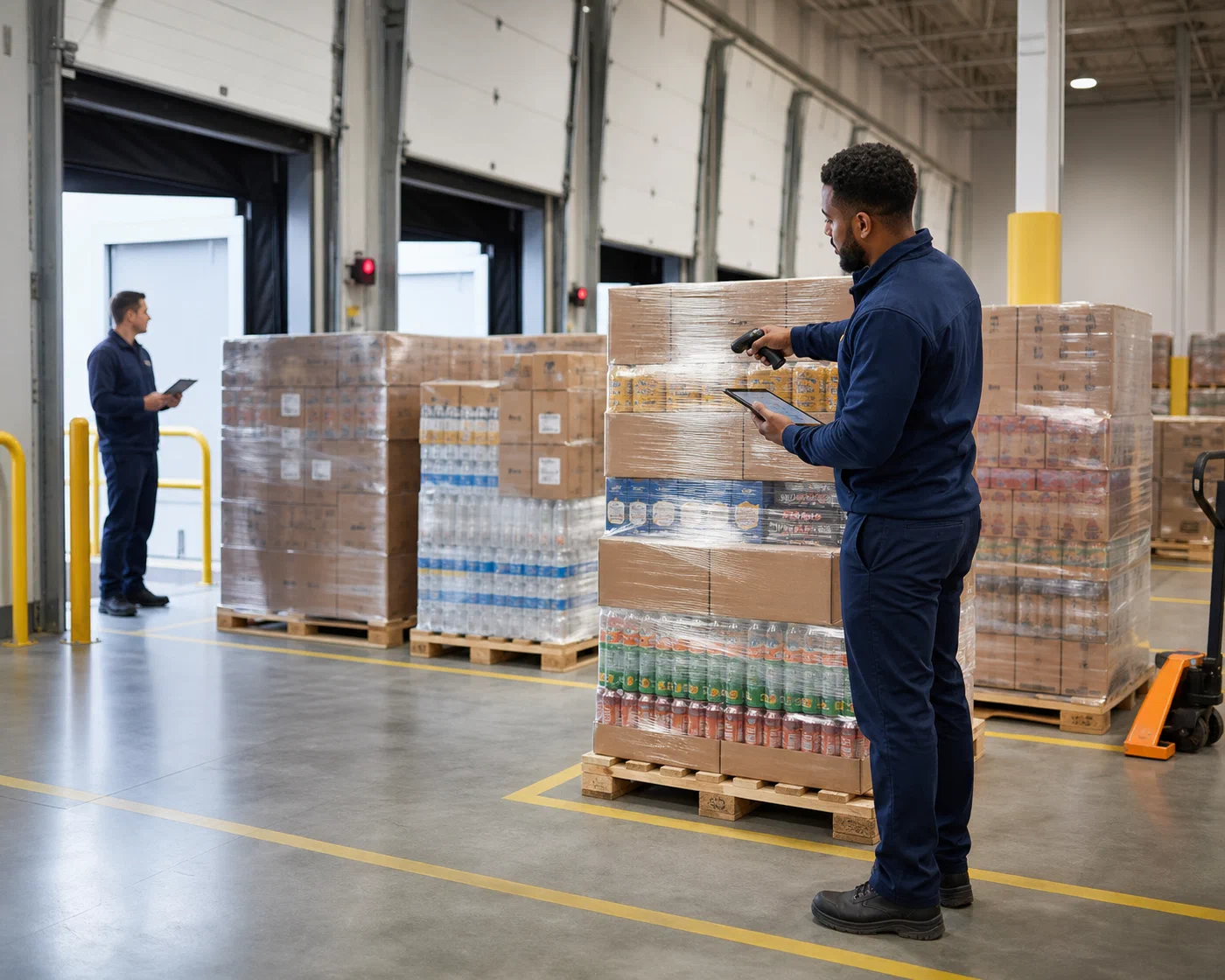
Keep the lot connected through the outbound handoff.
Product identity should travel with the physical movement. Linking the selected inventory, finished handling unit and destination creates a clearer record for everyday service and targeted follow-up.
Shipment build
Tie the selected lot and quantity to the case, parcel or pallet being prepared.
Dispatch confirmation
Confirm the handling unit, carrier handoff and outbound event.
Destination context
Retain where the inventory moved so questions can be narrowed to the relevant shipment.
Food & beverage logistics FAQs
Questions before product enters the order flow.
Useful inventory depends on clear identity, date, status, channel and destination requirements.