
Temperature-controlled warehousing
Different requirements.
One zoned operating plan.
Match products to suitable environments, then connect monitoring, segregation, controlled transitions and response ownership across the warehouse.
Profile · Zone · Move · Monitor · Respond
The right environment for each product and movement.
A warehouse of specific environments
The zone name is only the start of the decision.
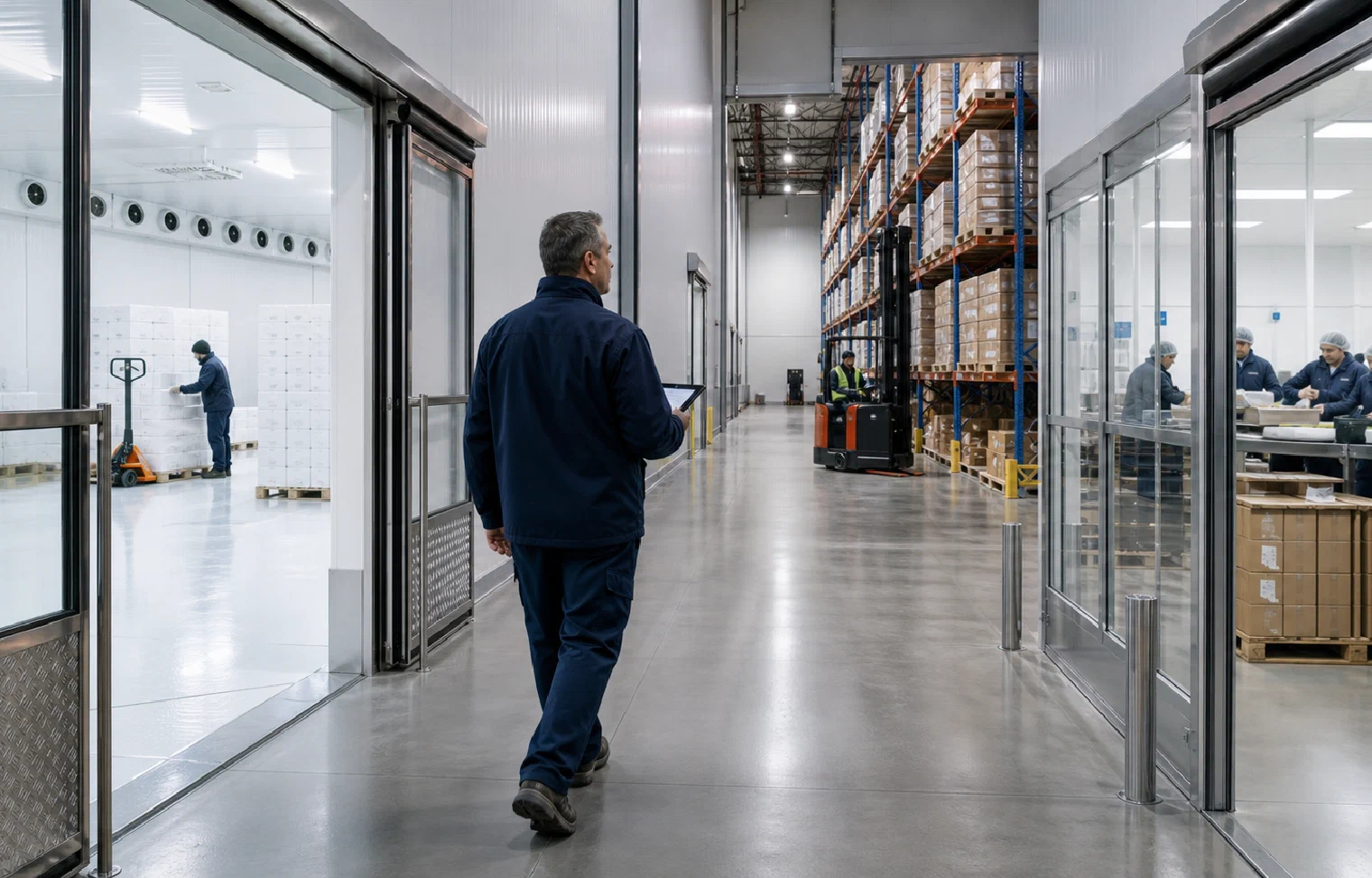
Temperature-controlled warehousing brings several product profiles and operating environments into one facility plan. The work is to understand where each product belongs, how it moves between spaces and who acts when actual conditions need attention.

Zone profile
Design around local conditions—not one warehouse average.
A useful zone profile considers the operating range alongside the room layout, inventory load, equipment, door activity, sensor coverage and the response available when conditions change.
That context helps the team make a defensible product-to-zone decision and review it again when capacity, layout, equipment or handling patterns change.
One repeatable zone workflow
From product requirement to operating response.
The workflow connects product, place, movement and condition so a zone assignment remains useful after putaway.
Define
Document the required storage and handling profile.
Product rangeAssess
Review room, load, access and monitoring context.
Facility fitAssign
Match eligible inventory to a suitable environment.
ZoneSegregate
Keep product, status and compatibility rules visible.
InventoryMonitor
Connect condition history to alert ownership.
ConditionsReview
Reassess the plan when the operation changes.
ChangeControlled transitions
Plan the space between one zone and the next.
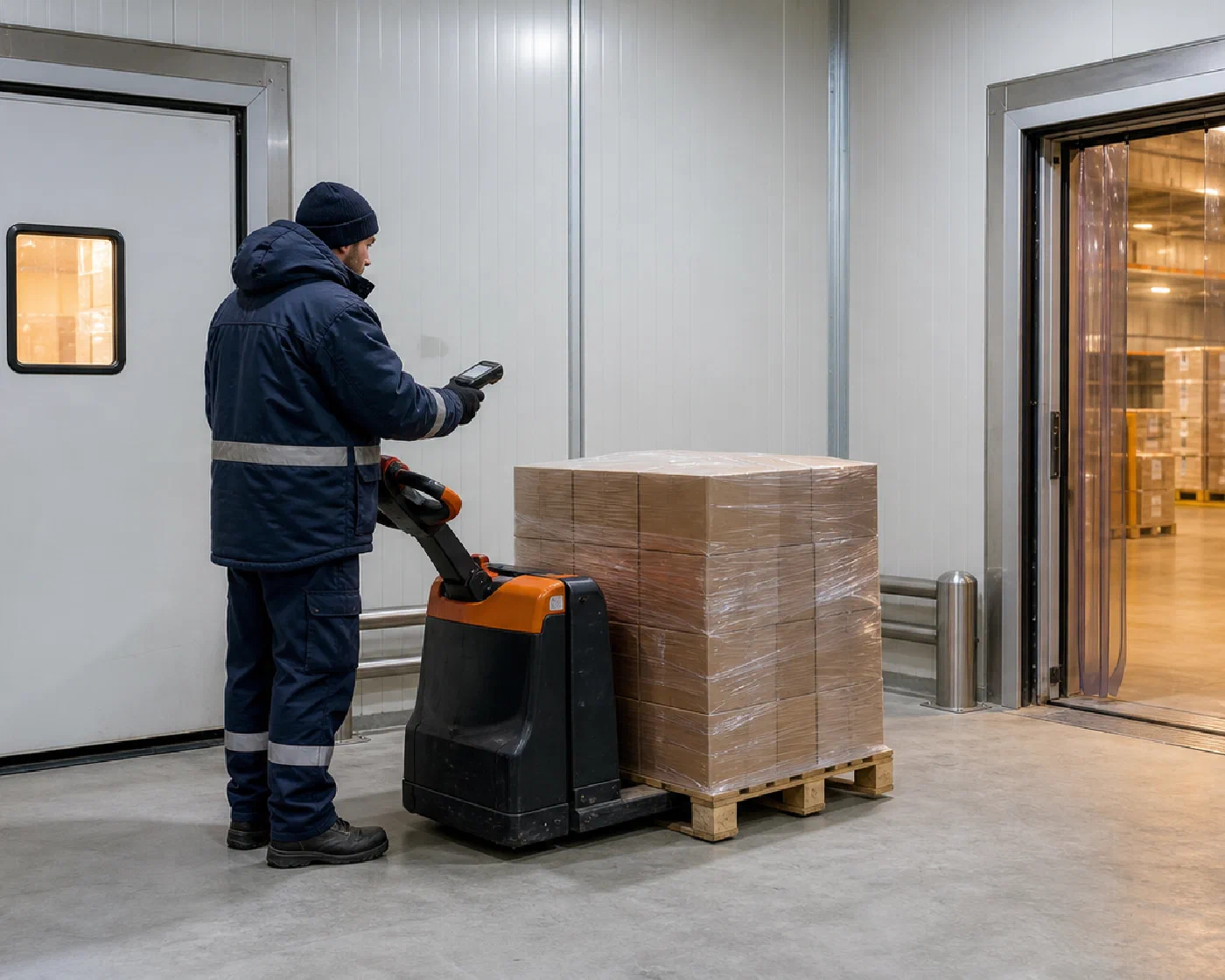
Receiving, vestibules, picking, packout and staging can place product in a different environment. A controlled move aligns timing, sequence, destination readiness and inventory status before the load changes rooms.
Source readiness
Confirm product identity, status and the current zone.
Move sequence
Set the route, equipment and acceptable transfer window.
Destination fit
Make space and the receiving environment ready first.
Status confirmation
Close the movement with location and condition context.
Exceptions and continuity
Prepare the response before conditions change.
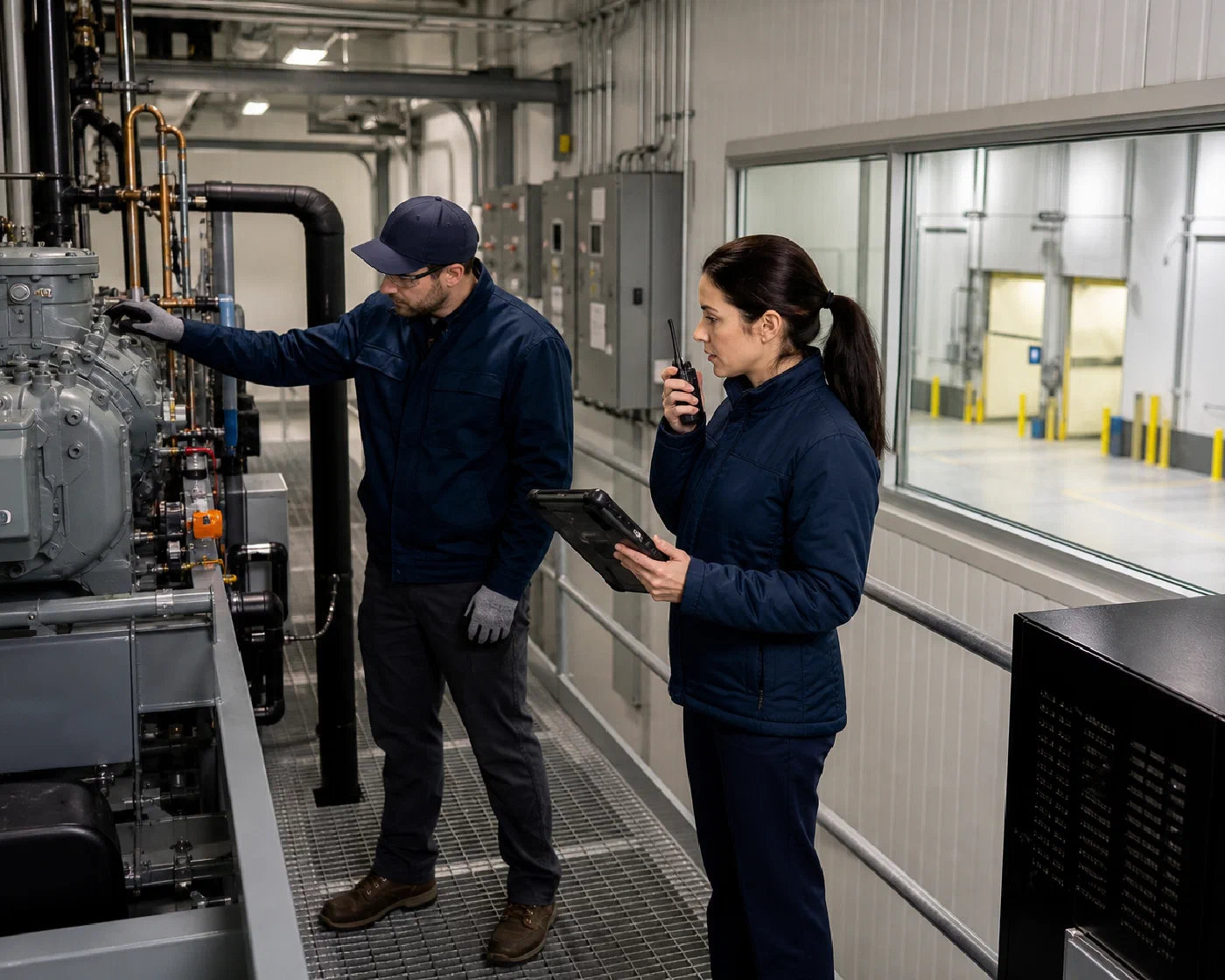
A useful response plan connects the alert to the affected zone, inventory and operating decision. It also identifies alternate capacity and the evidence needed before product moves or returns to available status.
Identify the context
Capture the zone, timing, duration and inventory in scope.
Contain the effect
Pause movement, hold product and assess alternate controls.
Review and close
Preserve findings and route release or disposition appropriately.
Temperature-controlled warehousing FAQs
Questions before assigning the first zone.
The right setup depends on the product profile, the facility environment and the controls around every movement.