Recall management
Affected product.
Controlled next steps.
Connect a defined product scope to inventory hold, retrieval, returns and reconciliation through one documented logistics workflow.

Scope · Hold · Retrieve · Reconcile
A clear physical and information response.
A prepared response
The scope starts the response. The workflow controls the movement.
Once the responsible product owner defines affected identifiers and handling instructions, the logistics plan connects that direction to inventory status, physical control, retrieval activity and a documented current position.
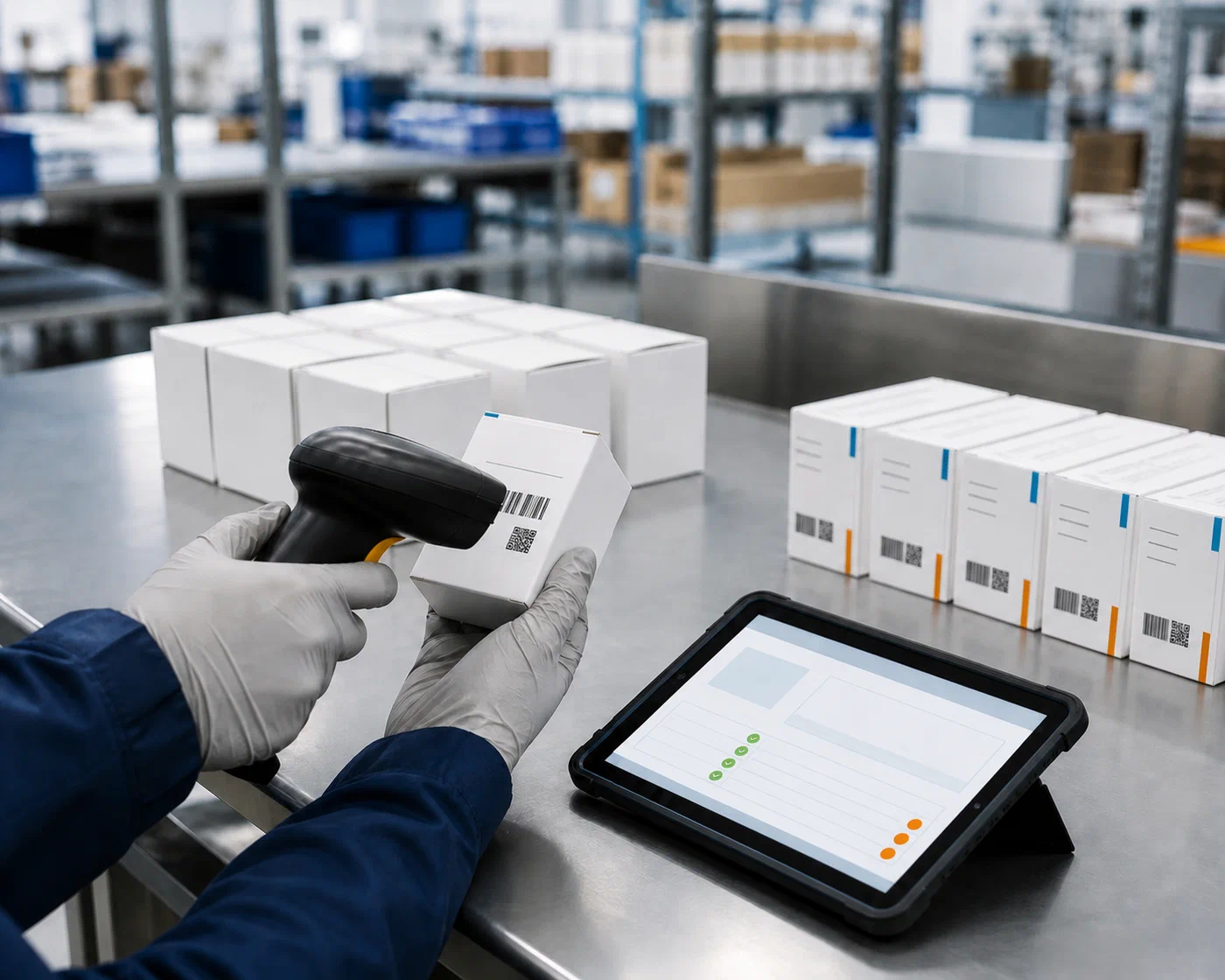
Scope definition
Define the product before changing the operation.
A useful response begins with the identifiers and instructions supplied for the affected product. The scope needs to be specific enough to guide a search without treating every similar unit the same.
Use the available product code, lot or serial information, date window and destination context to review each inventory state—on hand, allocated, in process, shipped and returned.
One controlled recall flow
From defined scope to documented closeout.
Keep the physical product and its record connected as each affected position moves through the instructed response.
Define
Translate the supplied identifiers into a searchable product set.
Affected scopeStop
Prevent defined inventory from entering new allocation or shipment activity.
New movementLocate
Review on-hand, in-process, shipped and returned product positions.
Every statusHold
Connect the inventory status to a clearly separated physical location.
Controlled stockRetrieve
Use available recipient records to support the instructed return route.
Shipped unitsClose
Document quantities, open items and each instructed final action.
ReconciliationInventory hold
Connect the system block to the physical product.
A status change controls how affected inventory can move through the system. A physical hold controls what can happen on the floor. The response is clearer when both point to the same scope and instruction.
Status control
Block defined identifiers from routine allocation and release.
Physical separation
Place located units in an identified, access-controlled hold area.
In-process review
Check picked, packed, staged and transfer work against the scope.
Release ownership
Keep each next action tied to the supplied approval and instruction.

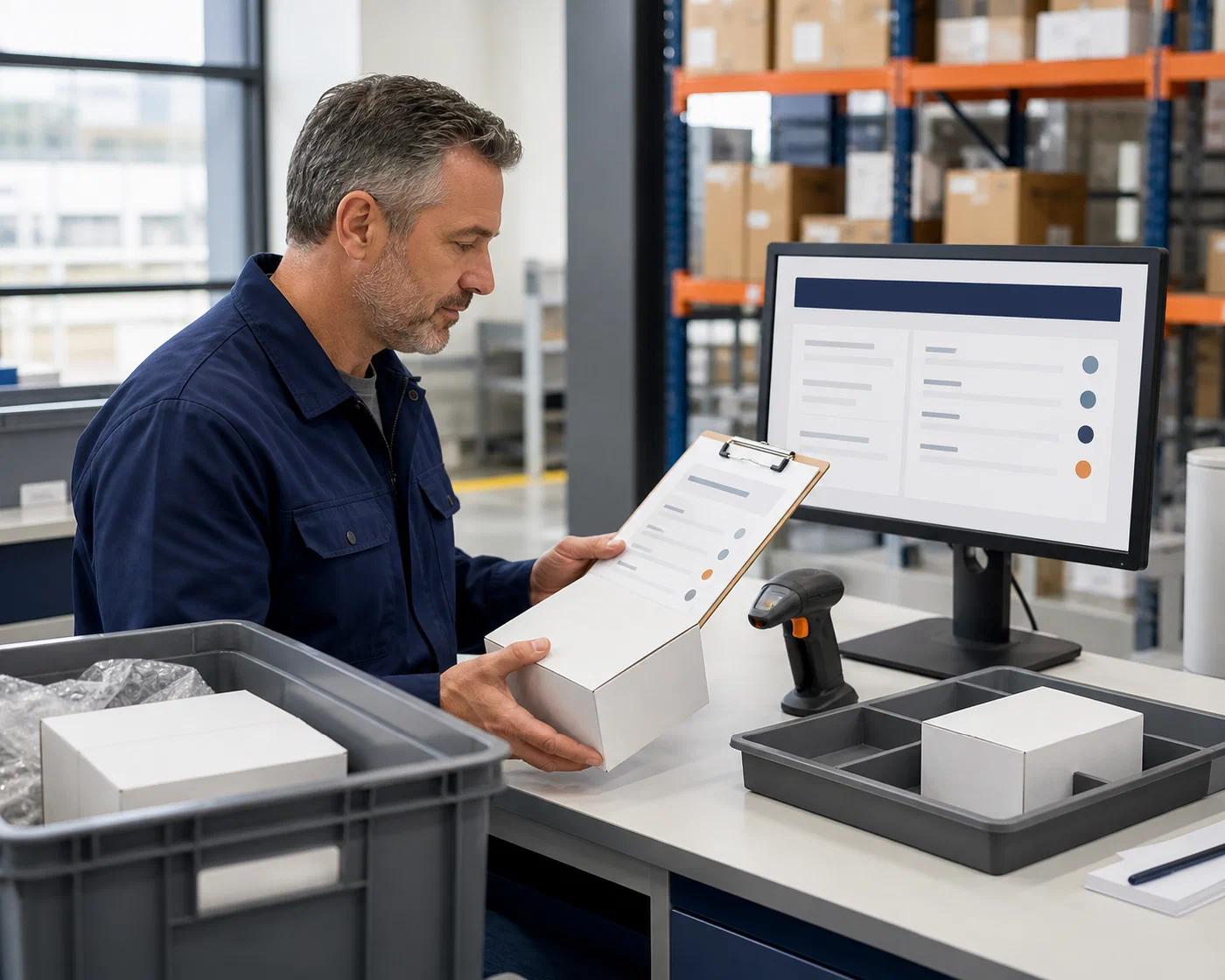
Retrieval and reconciliation
Account for the response, not only the returns.
Returned product is one part of the current position. Link recipient status, received quantities, inventory records and instructed outcomes so open items remain visible through closeout.
Recipient and return route
Use available distribution records to support contact status and the instructed path back.
Receipt and verification
Confirm returned identifiers and quantities, then connect each unit to the controlled hold.
Reconciliation and closeout
Compare known positions, record outstanding items and document each instructed final action.
Recall management FAQs
Questions before a response is needed.
Recall logistics works best when product identifiers, decision ownership and physical handling instructions are clear before inventory moves.