
Cross-border shipping
Cross-border freight.
Ready before the border.
Connect commercial readiness, carrier movement, broker coordination and final delivery around one Canada–United States operating plan.
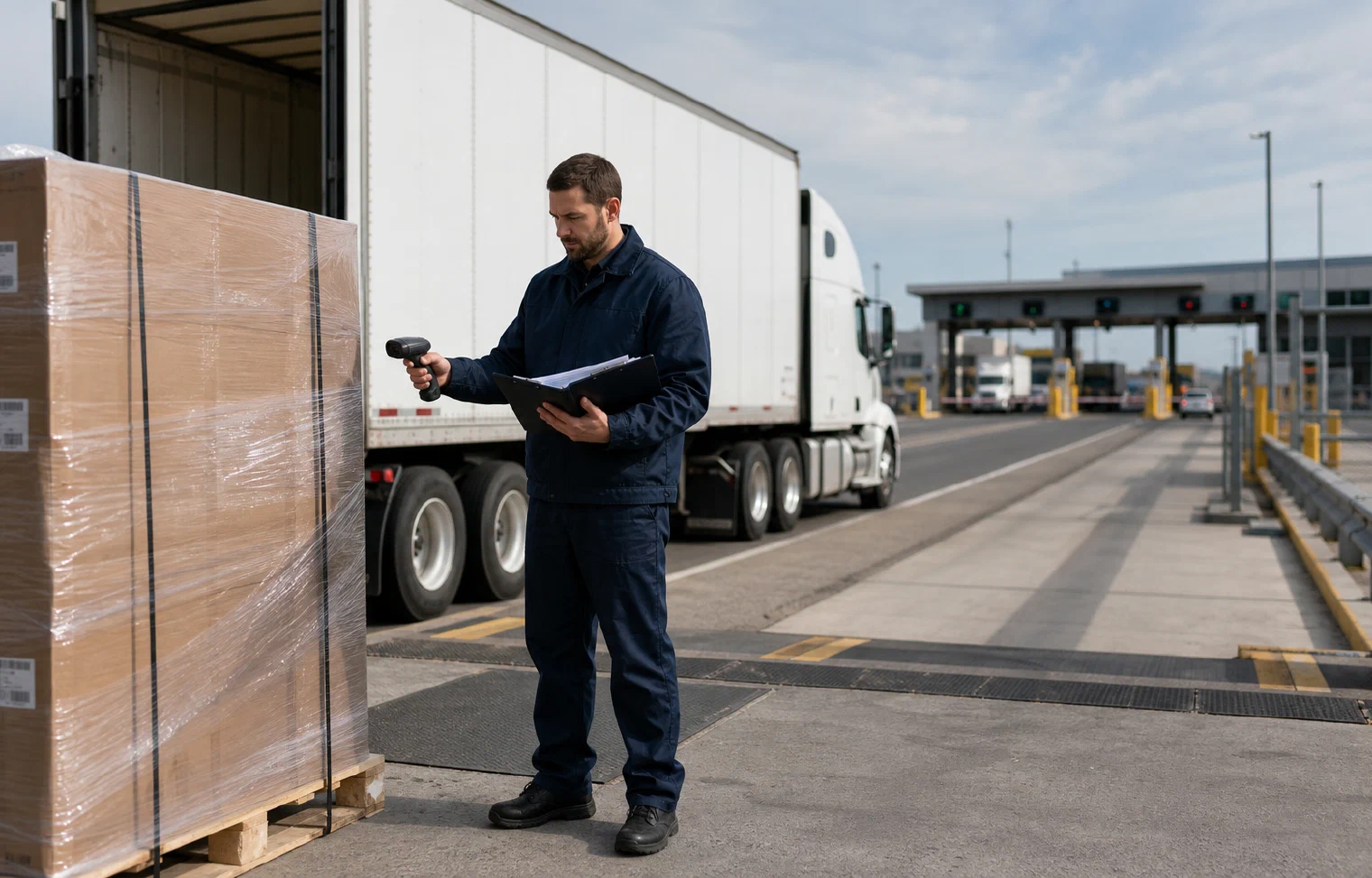
Product · Parties · Carrier · Broker
Every handoff aligned before departure.
A better border movement
The border is a handoff. The preparation starts much earlier.
A cross-border shipment must be commercially ready and physically executable at the same time. ShipCarte connects product information, transportation, broker instructions and destination requirements before freight moves—then keeps the release and delivery path visible.

Commercial readiness
Make the information as ready as the freight.
Requirements vary by product, transaction and destination. A clear product description, country of origin, classification, value and currency create the foundation for the importer and customs broker to prepare the applicable entry.
Confirm the importer, exporter, broker instruction and commercial documents early. That gives the carrier a usable handoff and gives the responsible parties time to address missing information before it interrupts the route.
One repeatable border flow
From product record to final delivery.
The workflow keeps the commercial, carrier and customs-broker handoffs connected to the same shipment reference.
Define
Confirm what is moving, its origin, value and classification.
ProductConfirm
Identify importer, exporter, broker and receiver roles.
PartiesPrepare
Assemble the commercial information required for the move.
DocumentsAlign
Connect transportation and entry handoff instructions.
Carrier & brokerCross
Follow movement, broker handoff and release progress.
Border statusDeliver
Carry destination requirements through final receipt.
ReceiverParcel and freight
One border. Different physical workflows.
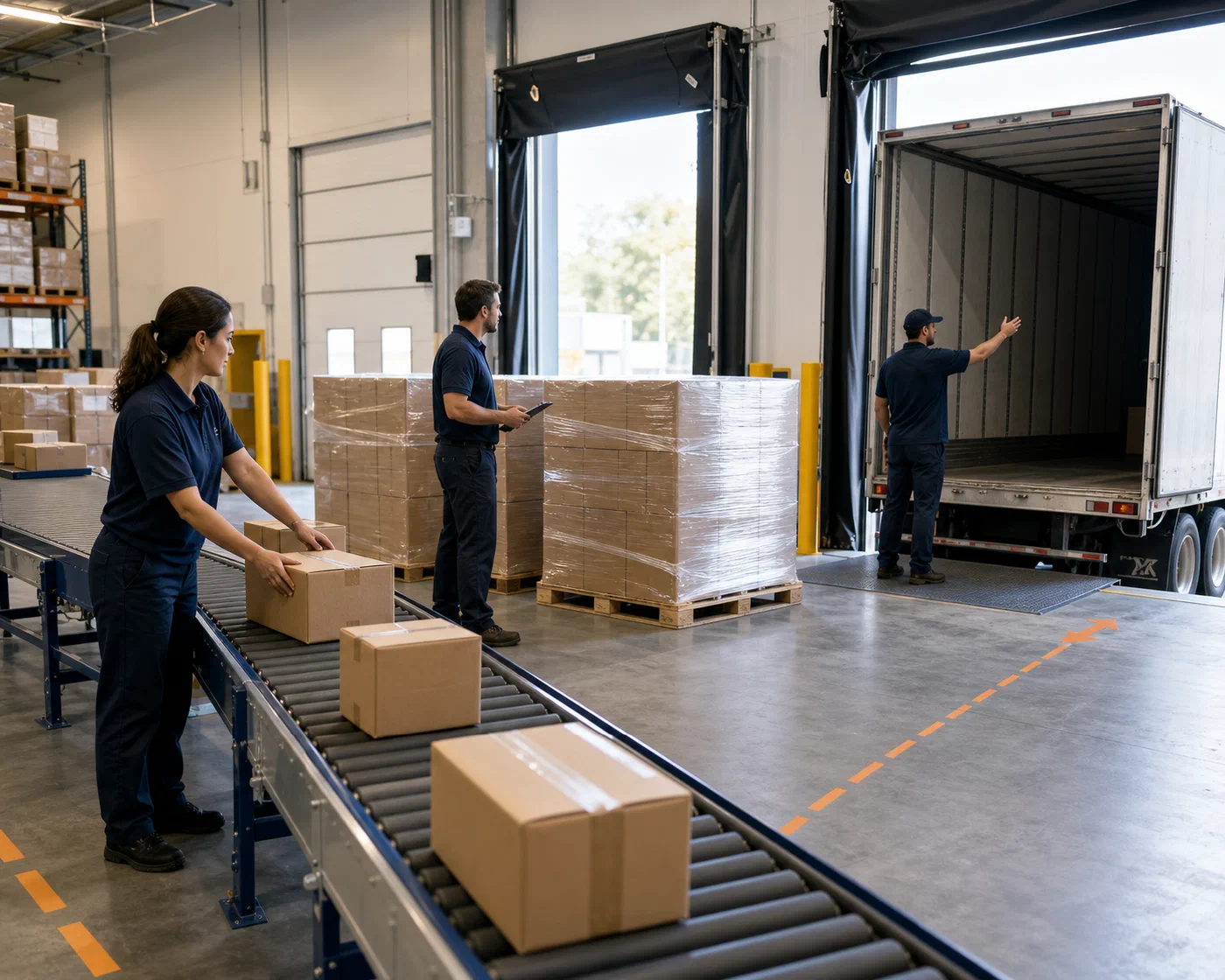
The commercial fundamentals remain important, but an individual parcel, palletized shipment and dedicated truckload each need a different carrier, facility and delivery plan.
Cross-border parcel
Match cartons to parcel service, value, documentation and delivery.
Cross-border LTL
Coordinate class, appointments, access and the broker handoff.
Cross-border FTL
Align equipment, lane, capacity, broker and receiving windows.
Repeatable lanes
Document products, parties and exceptions for recurring movement.
Broker and carrier handoffs
Make the information travel with the freight.
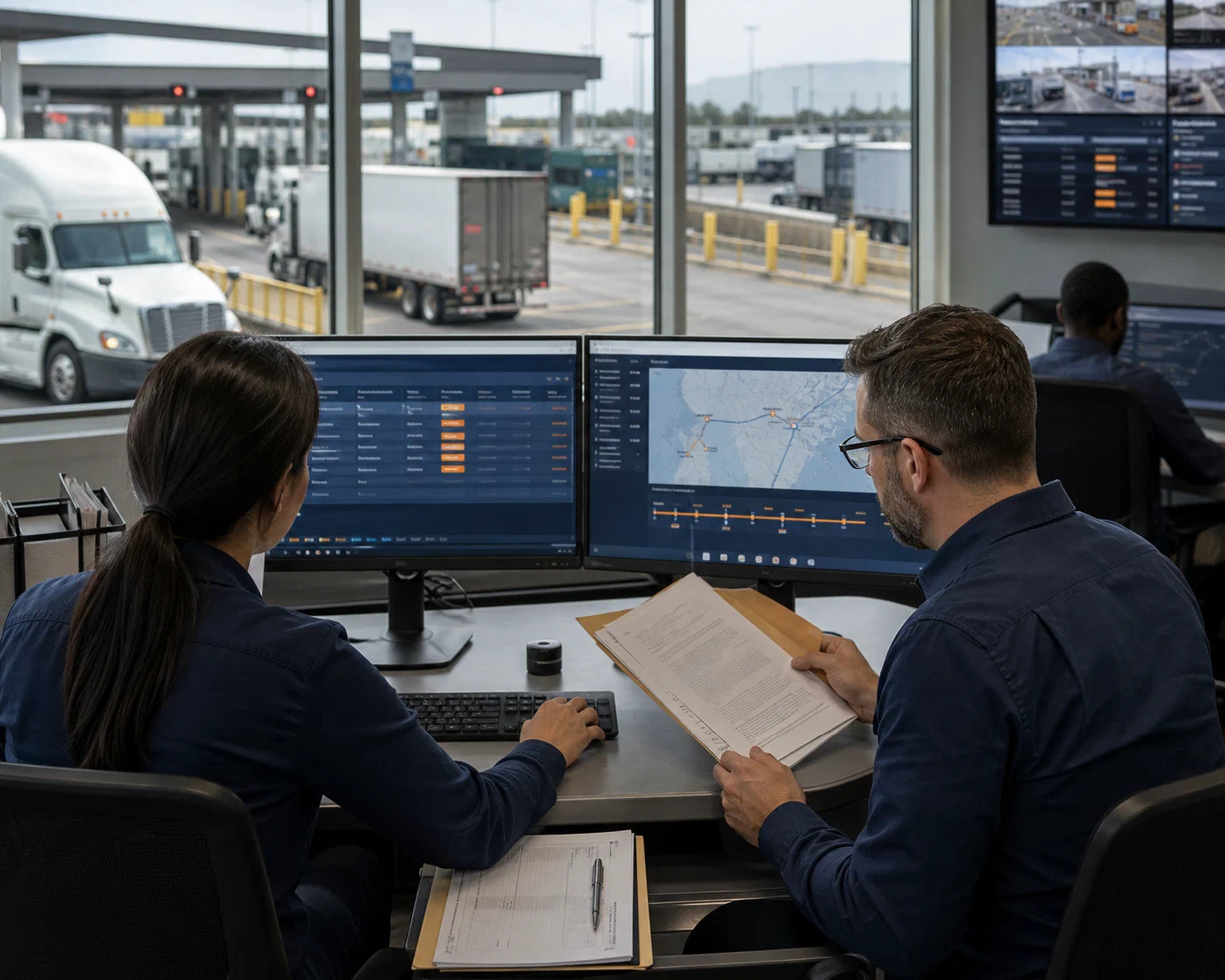
Define who sends what, to whom, by when and against which shipment reference. Clear handoffs make the movement easier to follow when a question or exception occurs.
Carrier acceptance
Confirm pickup and the information attached to the physical movement.
Broker handoff
Provide the designated broker with the required shipment reference and commercial details.
Release and delivery
Follow border status into final-mile coordination and receipt.
Cross-border FAQs
Questions before the shipment reaches the border.
Product, commercial and transportation details should be aligned before freight begins moving.