
Full truckload freight
Dedicated capacity.
One coordinated plan.
Align the load, equipment, lane, facilities and communication around freight that needs a truckload operating model of its own.

Load · Equipment · Schedule · Visibility
Every decision aligned around one movement.
A better truckload movement
One load. One plan. Fewer assumptions between the dock doors.
Dedicated capacity creates more control only when the physical load, trailer fit, schedule and facility conditions are defined together. ShipCarte organizes those decisions before dispatch and keeps communication connected through delivery.

Load and equipment fit
Match the trailer to the freight you actually need to move.
Trailer selection begins with the commodity, handling units, total dimensions, weight, loading method and protection requirements—not a default equipment request.
The plan should account for usable trailer space, axle and payload considerations, dock or ground loading, securement needs and any equipment constraints at both facilities before capacity is committed.
One repeatable truckload flow
From load profile to delivery closeout.
The workflow keeps capacity, facilities and communication connected around one dedicated movement.
Profile
Define the freight, origin, destination and timing.
Load & laneMatch
Align trailer type and access with the physical load.
EquipmentSecure
Commit the right truck to the required pickup window.
CapacityPrepare
Confirm staging, loading, contacts and appointments.
FacilitiesMove
Keep milestones and developing exceptions visible.
In transitClose
Capture receipt, proof and final shipment context.
DeliveryFacility execution
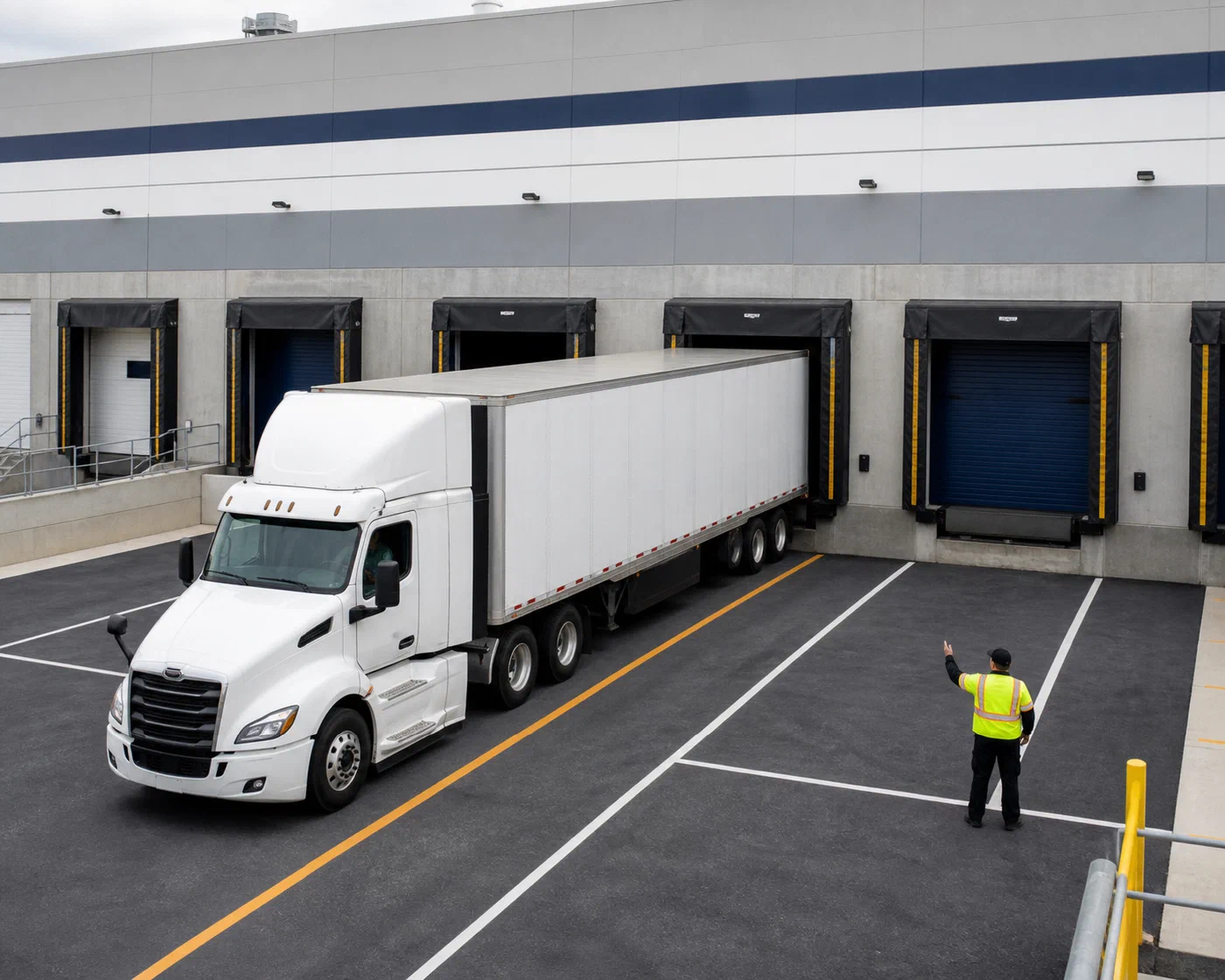
Make both ends of the lane ready for the truck.
A dedicated trailer still loses time when freight is not staged, the dock is unavailable or receiving instructions are incomplete. Pickup and delivery readiness belong inside the transportation plan.
Staged freight
Have the complete load counted, prepared and ready for the window.
Loading method
Confirm the dock, equipment and labour needed at origin.
Schedule control
Align appointment times with realistic loading and transit plans.
Receiving readiness
Carry destination contacts and unloading instructions forward.

Lane visibility
Keep communication moving with the truck.
Dedicated movement reduces physical handoffs, but it does not remove the need for clear milestones and exception ownership. The lane should stay connected to the people waiting at both ends.
Departure confirmed
Close the loading event with the actual pickup status and timing.
In-transit milestones
Maintain useful progress updates and surface changes early.
Receipt and proof
Complete the movement with delivery status and supporting context.
Truckload FAQs
Questions before capacity is committed.
A dependable truckload plan starts with the real load, equipment, lane and facility conditions.