
Less-than-truckload freight
LTL freight.
Every detail aligned.
Coordinate palletized freight around the real handling unit, facility requirements, service expectations and every handoff in between.
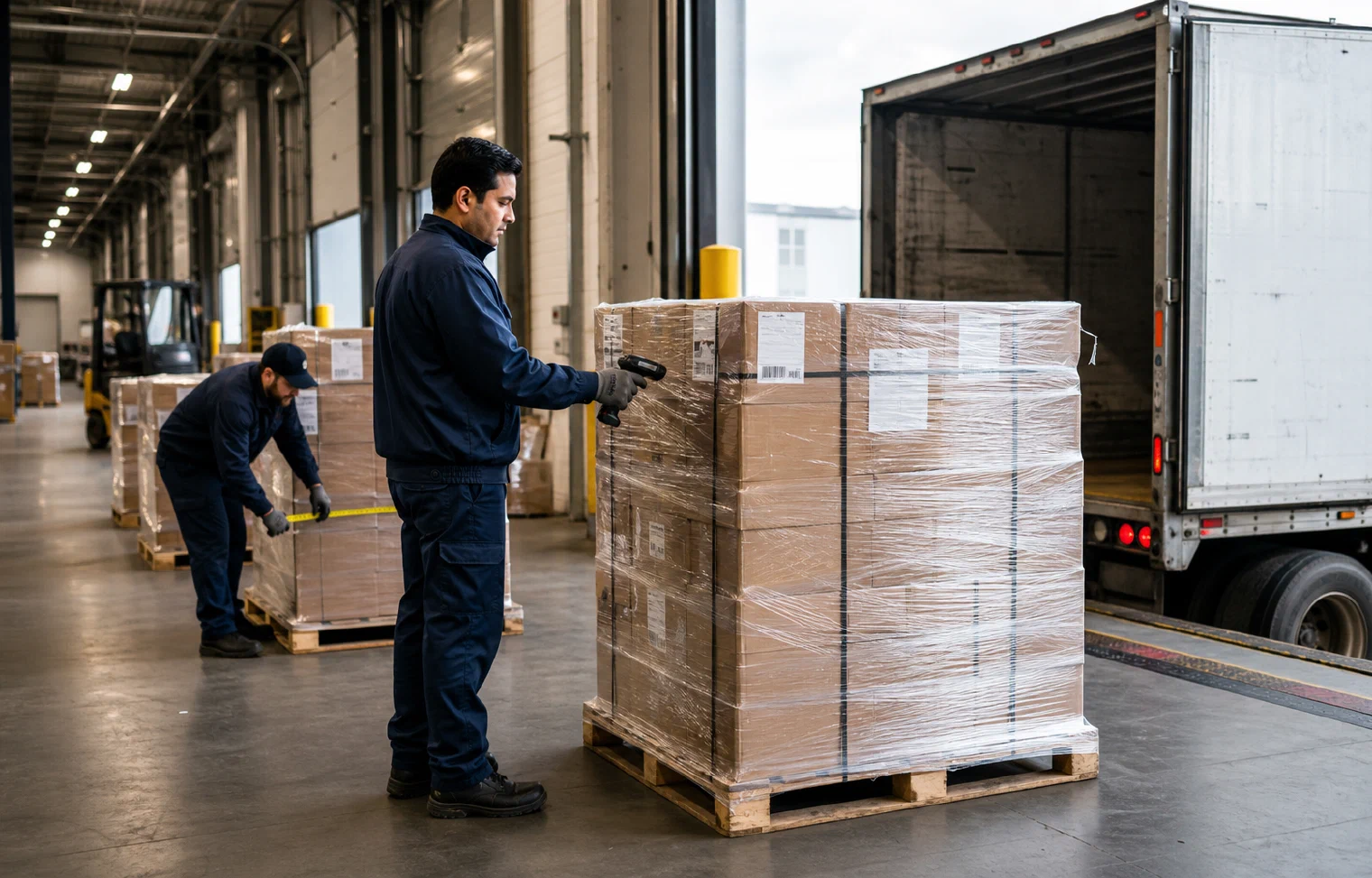
Profile · Secure · Schedule · Follow
A complete tender before the first handoff.
A better LTL tender
Shared capacity works better when every detail travels with the freight.
LTL freight may share trailer space and terminal networks, but the shipment still needs an operating plan of its own. ShipCarte connects the physical freight, carrier service and facility requirements before tender—then keeps ownership visible through delivery.
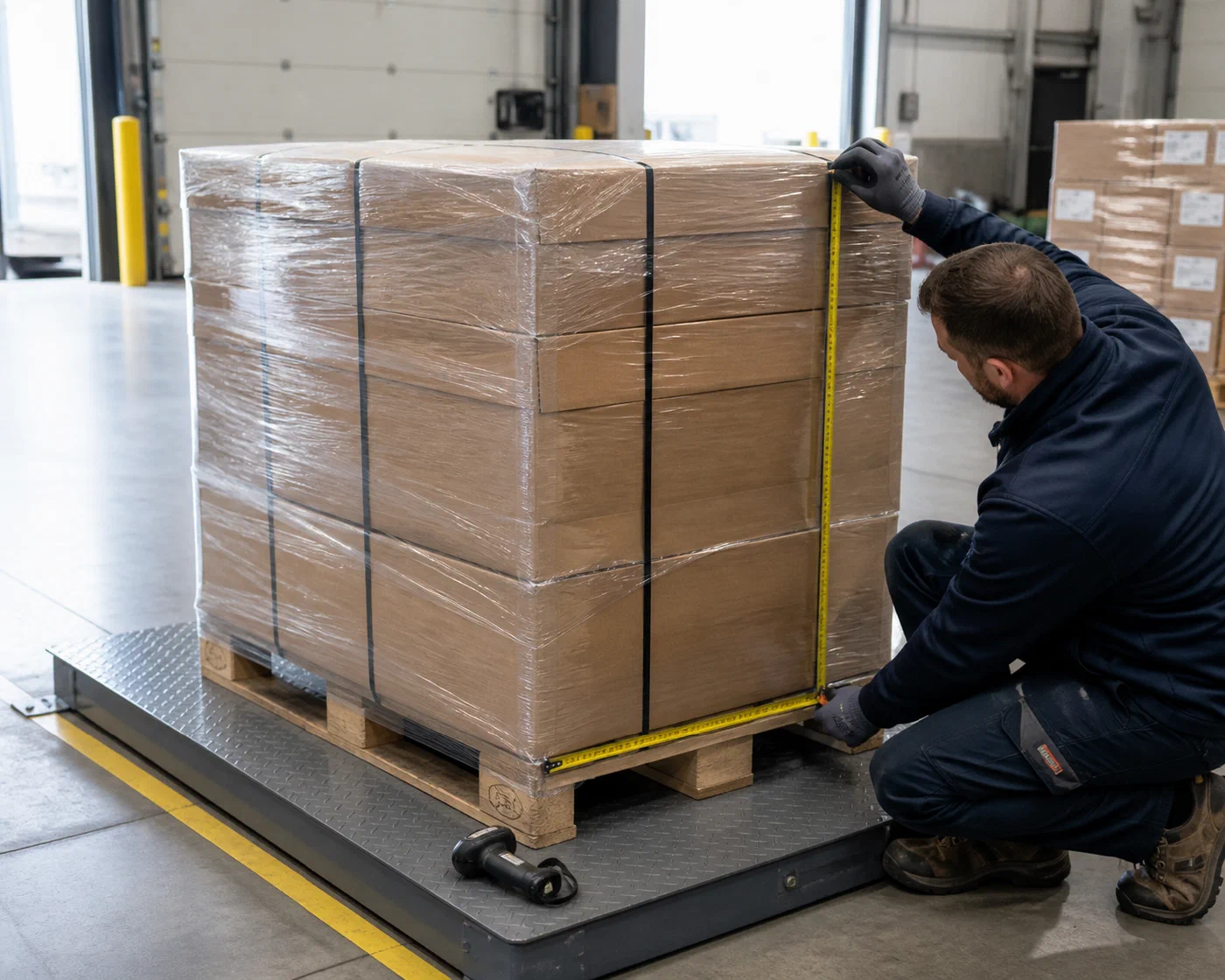
Freight profile
Build the shipment the carrier will actually handle.
A useful LTL decision begins with the commodity, handling-unit count, outside dimensions, actual weight and packaging method—not a rough estimate of the load.
Accurate details help establish density and applicable classification, surface special handling needs and create a clearer basis for comparing carrier services. They also reduce avoidable reclassification and accessorial surprises after pickup.
One repeatable LTL flow
From freight profile to confirmed delivery.
The workflow keeps the handling unit, facility details and service decision connected through the shared network.
Profile
Define the commodity, units, dimensions and weight.
FreightSecure
Prepare a stable pallet or crate for terminal handling.
Handling unitMatch
Compare lane, timing and handling requirements.
Carrier & serviceSchedule
Confirm readiness, access and the collection window.
PickupCoordinate
Carry destination access and appointments into the plan.
DeliveryFollow
Keep terminal progress and open exceptions visible.
StatusFacility fit
Plan the stop, not only the lane.
The same pallet can require a different service when dock access, appointment rules or unloading equipment changes. Origin and destination conditions belong in the decision before a carrier is selected.
Dock access
Confirm whether each facility can receive standard dock service.
Appointments
Carry required windows and booking instructions into the tender.
Delivery services
Identify liftgate, inside or limited-access needs in advance.
Site contacts
Keep the people and receiving instructions close to the load.
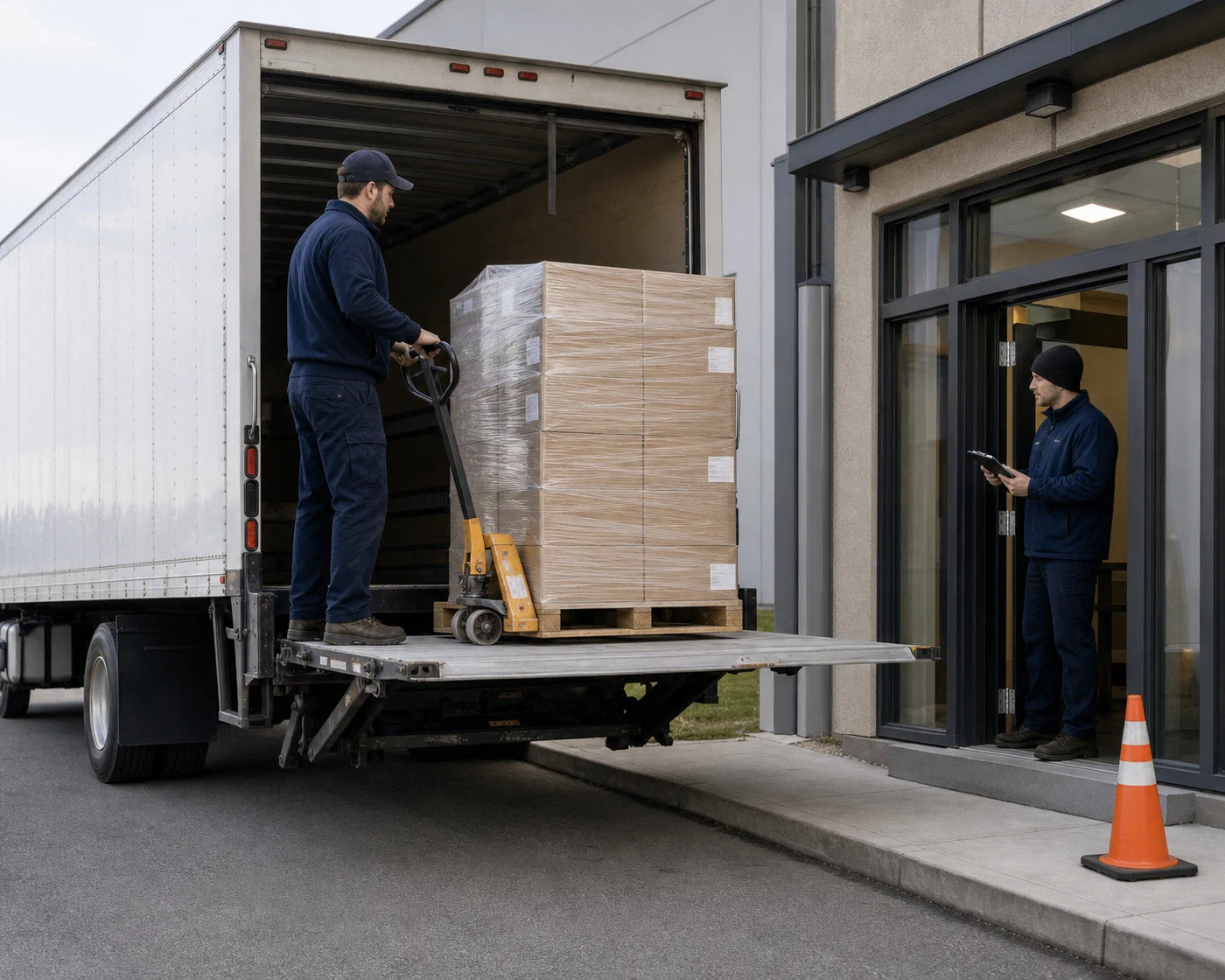

Network handoffs
Keep the freight visible through every terminal.
Shared-network efficiency can create more handling events than a dedicated movement. Status, exceptions and delivery requirements should stay connected to the original shipment plan.
Carrier acceptance
Confirm the handling units entered the selected network as tendered.
Terminal progress
Follow movement and surface exceptions that need an owner.
Delivery closeout
Capture final status, proof and any context needed after receipt.
LTL freight FAQs
Questions before the freight is tendered.
A dependable LTL movement begins with accurate handling-unit data and clear facility requirements.